Only when documentation has been found are specific tribal names given. Only
species considered safe to consume and not endangered are included.
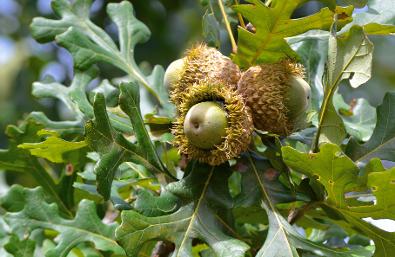
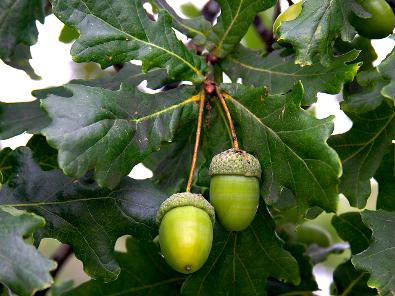
Acorns (Quercus sp) [Ojibwe: mitigomin]
used by Menominee, Ojibwe, Potawatomi,
Dakota, Omaha-Ponca, Winnebago, Pawnee
All acorns are edible, but some are sweeter
than others, i.e. swamp oak. The bitterness
is from tannin but this can be removed by
leaching. After leaching the bitterness with
wood ash, burying in mud for eight to twelve
months, or repeated changes of water, the
acorns were roasted and eaten as is or
ground into a meal.
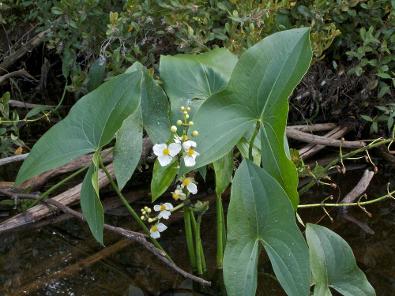
Arrowhead (Sagittaria cuneata, S. latifolia)
used by Ojibwe, Potawatomi, Dakota,
Omaha-Ponca, Winnebago, Pawnee,
corms used like potatoes; MUST be cooked,
but can also be dried and ground into flour
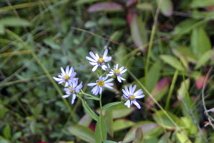
Aster (Aster cordifolius, A. macrophyllus, A.
nemoralis, A. novae-angliae, A. puniceus)
used by Ojibwe
leaves were boiled and eaten with fish
(unable to determine which species was
eaten; all were used for medicine).
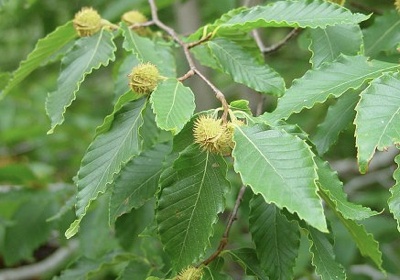
Beech (Fagus grandifolia) used by
Potawatomi
nuts eaten raw, roasted, or ground into flour/
meal
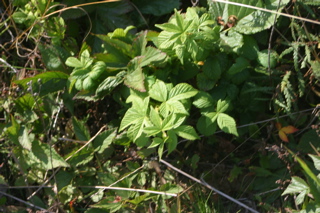
Blackberry (Rubus villosus, R.
allegheniensis) used by Ojibwe,
Potawatomi. Not only the delectable fruit is
edible, so are tender, young sprouts and
twigs after peeling them. The leaves are
used as an herbal tea and in tea mixtures
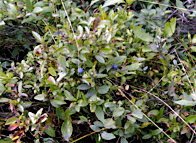
Blueberry (Vaccinium sp) used by Cree,
Menominee, Ojibwe, Potawatomi Eaten both
raw or dried/charred for winter usage
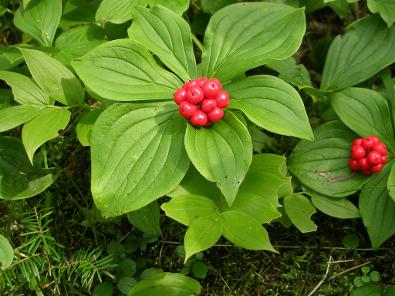
Bunchberry (Cornus canadensis) used by
Ojibwe, Potawatomi
fresh or dried for winter use
Bugleweed (Lycopus asper) [Ojibwe:
aandegopin] used by Ojibwe
roots dried and boiled


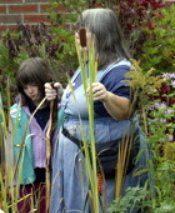
Cattail (Typha latifolia)
used by Dakota, Ojibwe, Omah-Ponca,
Pawnee, Winnebago
roots, young sprouts, white part of older
shoots; green cattail is the immature fruit,
which can be boiled and eaten; yellow pollen
can be added to any baked good after the
pollen has been dried.
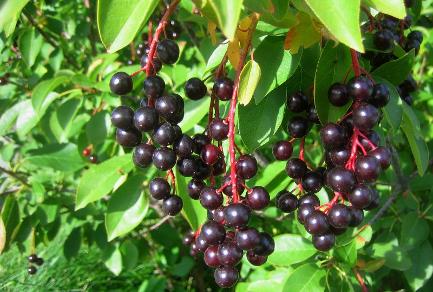
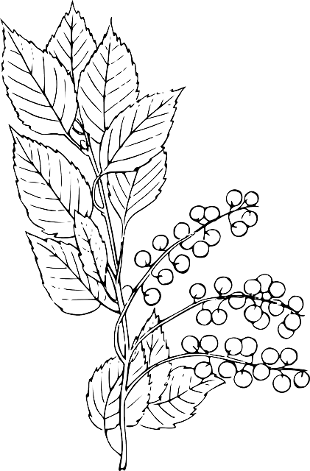
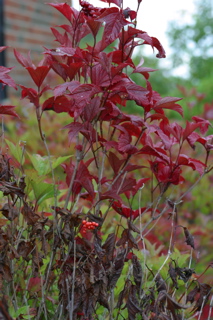
Chokecherry (Prunus virginiana)
used by Abnaki, Algonquin, Blackfoot,
Cherokee, Cree, Crow, Dakota, Navajo,
Ojibwe, Omaha-Ponca, Pawnee
when fully ripened, eaten fresh or dried for
winter use
Cranberry (Vaccinium oxycoccus) used by
Ojibwe, Potawatomi
cooked and sweetened with maple syrup or
sugar; dried for winter use
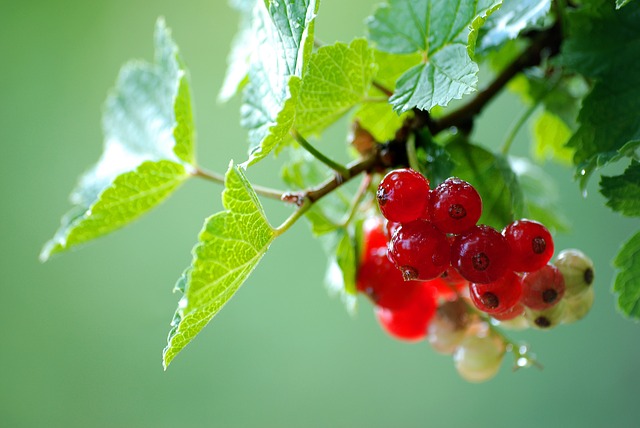
Currant (Ribes spp)
used by Ojibwe
ripe fruits eaten fresh or dried for winter use
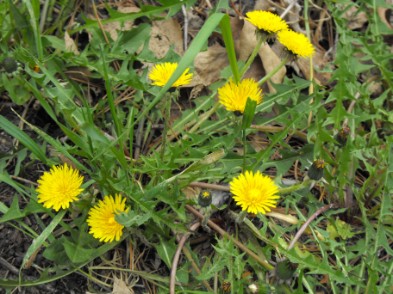
Dandelion (Leontodon taraxicum)
used by Ojibwe, Mohegan
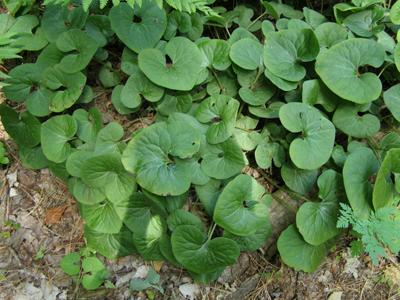
Ginger, Wild (Asarum canadense L.)
used by Chippewa/Ojibwe
used as a seasoning and cooked with food
to aid digestion
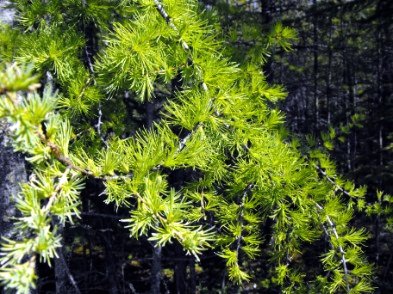
Hemlock (Tsuga canadensis)
used by Ojibwe
leaves/needles used to make a tea
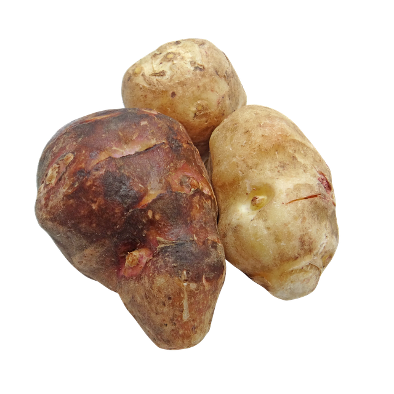
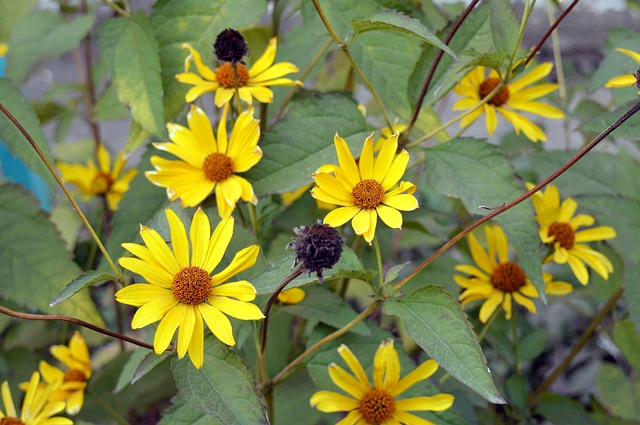
Jerusalem Artichoke (Helianthus
tuberosus)
used by Cherokee, Cheyanne, Hopi,
Iroquois, Lakota, Ojibwe, Omaha
tubers eaten raw
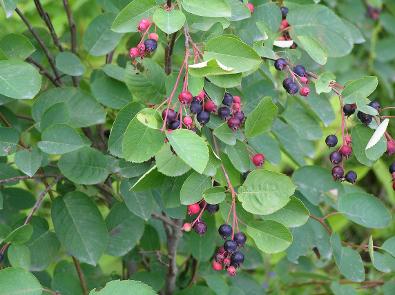
Juneberry, Saskatoon, Serviceberry or
Shadbush (Amelanchier spp)
used by Ojibwe, Dakota, Omaha-Ponca,
Winnebago
berries were used for food
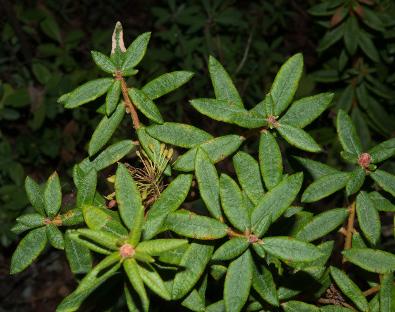
Labrador Tea (Ledum groenlanicum)
used be Menominee, Ojibwe (Muskeegobug
Aniibi, Potawatomi
leaves used to make a tea
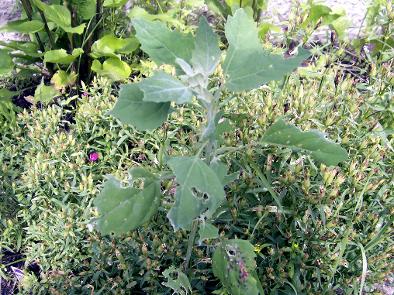
Lamb's Quarter (Chenopodium alba)
used by Dakota, Omaha, Ojibwe, Pawnee
young, tender greens cooked and eaten,
seeds used as seasoning, cereal, and
ground into flour
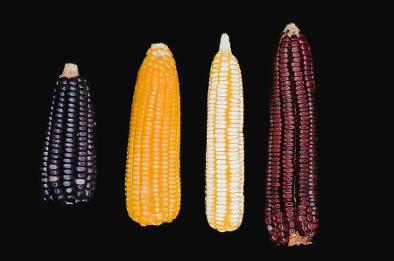
Maize or corn (Zea mays)
used by Arawak, Dakota, Menominee,
Ojibwe, Omaha-Ponca, Papago, Pawnee,
Pima, Potawatomi, and
throughout Mesoamerica.
main staple grain used fresh roasted, dried
and/or parched and ground into flour/meal
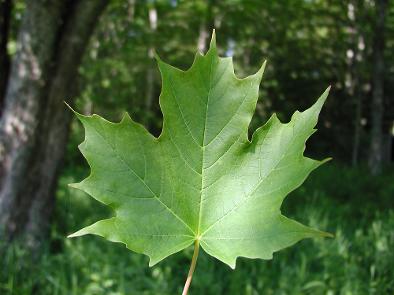
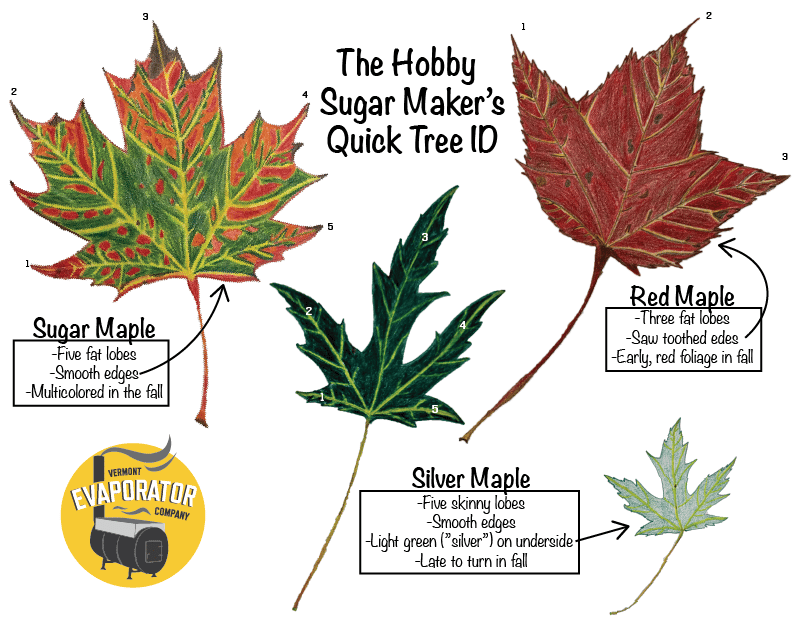
Maple (Acer saccharum, A. saccharinum)
used by Algonquin, Cherokee, Dakota,
Menominee, Ojibwe, Omaha-Ponca,
Potawatomi, Winnebago
Used by many tribes, the sweet sap was
made into sugar, but also used as a
refreshing drink
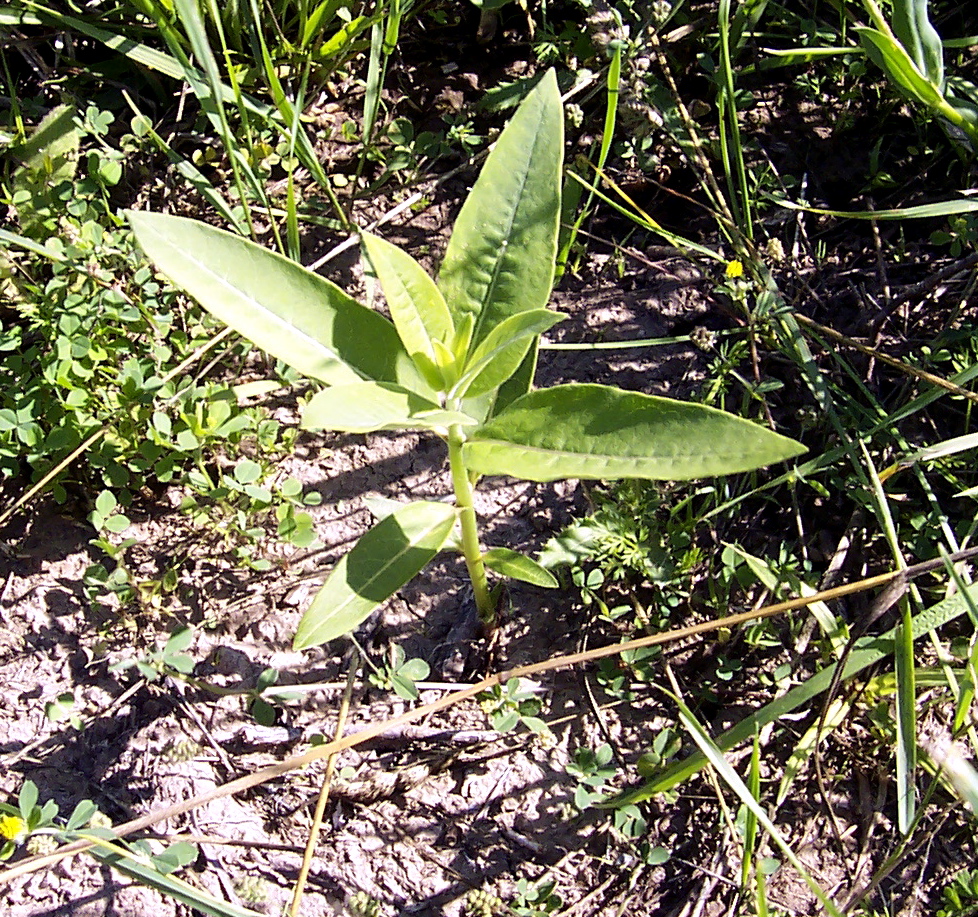
Milkweed (Asclepias syriaca L., A. exaltata)
used by Ojibwe, Omaha-Ponca, Pawnee,
Winnebago
spring sprouts were boiled and eaten as
were the flower buds and young, green pods
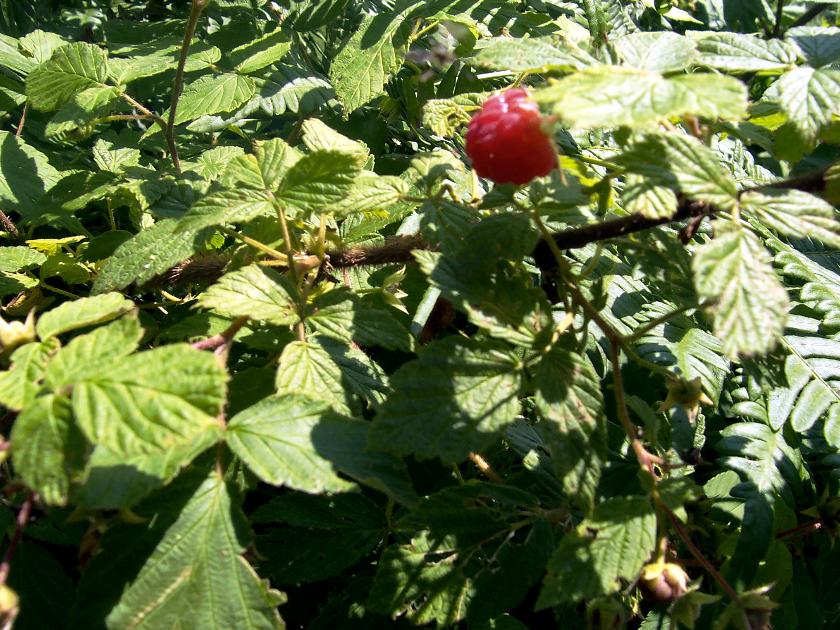
Raspberry (Rubus strigosus Michx)
used by Dakota, Ojibwe, Omaha-Ponca,
Pawnee, Winnebago
fruits eaten fresh or dried for winter use,
twigs and leaves used as a tea
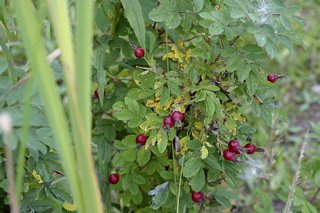
Rose (Rosa virginiana, R. acicularis, R.
arkansana, R. blanda)
used by Dakota, Ojibwe, Omaha-Ponca,
Pawnee,
flower buds and rose hips were eaten fresh;
fresh and dried hips were used for tea
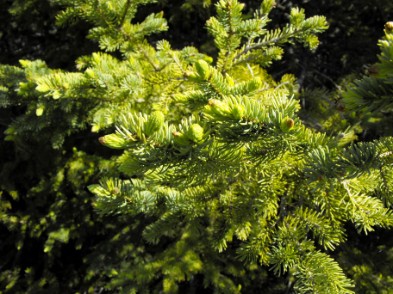
Spruce (Picca rubra)
used by Ojibwe
leaves/needles used to make a tea
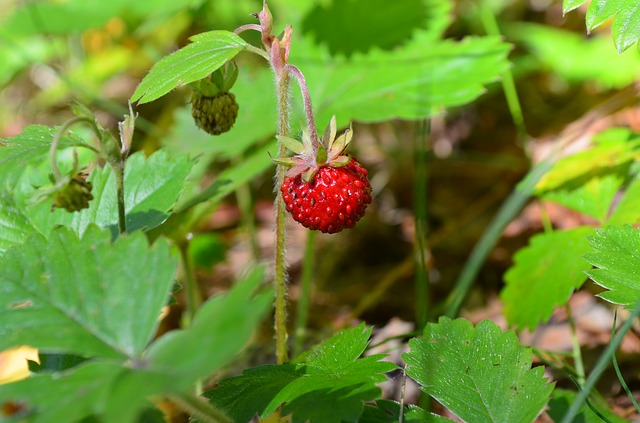
Strawberry (Fragaria virginiana)
used by Dakota, Menominee, Ojibwe,
Omaha-Ponca, Pawnee, Potawatomi,
Winnebago
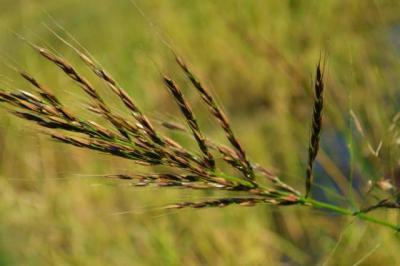
Wild Rice (Zizania palustris)
used by Cree, Menominee, Ojibwe
[manoomin], Potawatomi [manomin]
main dietary staple, boiled, parched and
boiled, combined with meats, vegetables,
fruits, or by itself
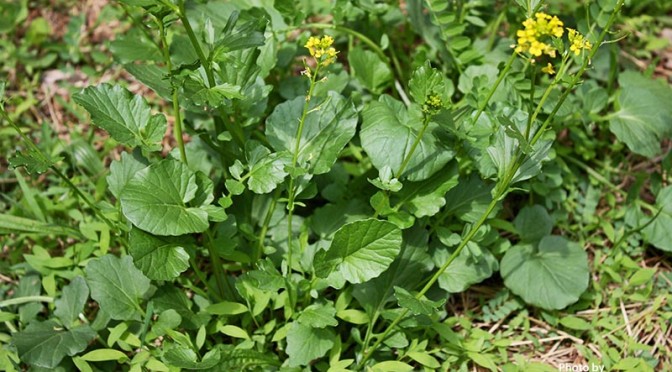
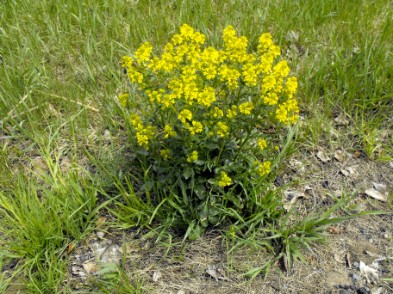
Winter cress Barbarea vulgaris
used by Cherokee, Mohegan, Shinnecock
Leaves used in salads or parboiled, rinsed,
and cooked until tender as potherbs.
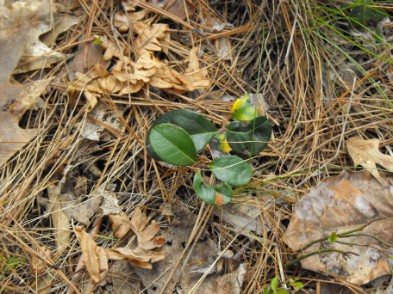
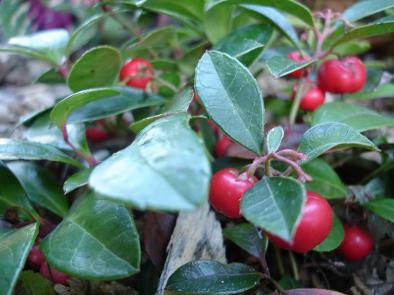
Wintergreen, teaberry, checkerberry
(Gaultheria procumbens)
used by Abenaki, Algonquin, Cherokee,
Iroquois, Ojibwe
berries were eaten fresh and the leaves
were used for tea; dried fruit cakes soaked in
warm water and cooked as a sauce